



NEW IN
Explore our newest arrivals, from viral favorites to under-the-radar finds worth knowing about.


SEOUL 1988 Multi Balm : Collagen Complex 7 + Plum 10.7g

Madagascar Centella Tea-Trica Mild Peeling Gel 125ml


TOP PICKS


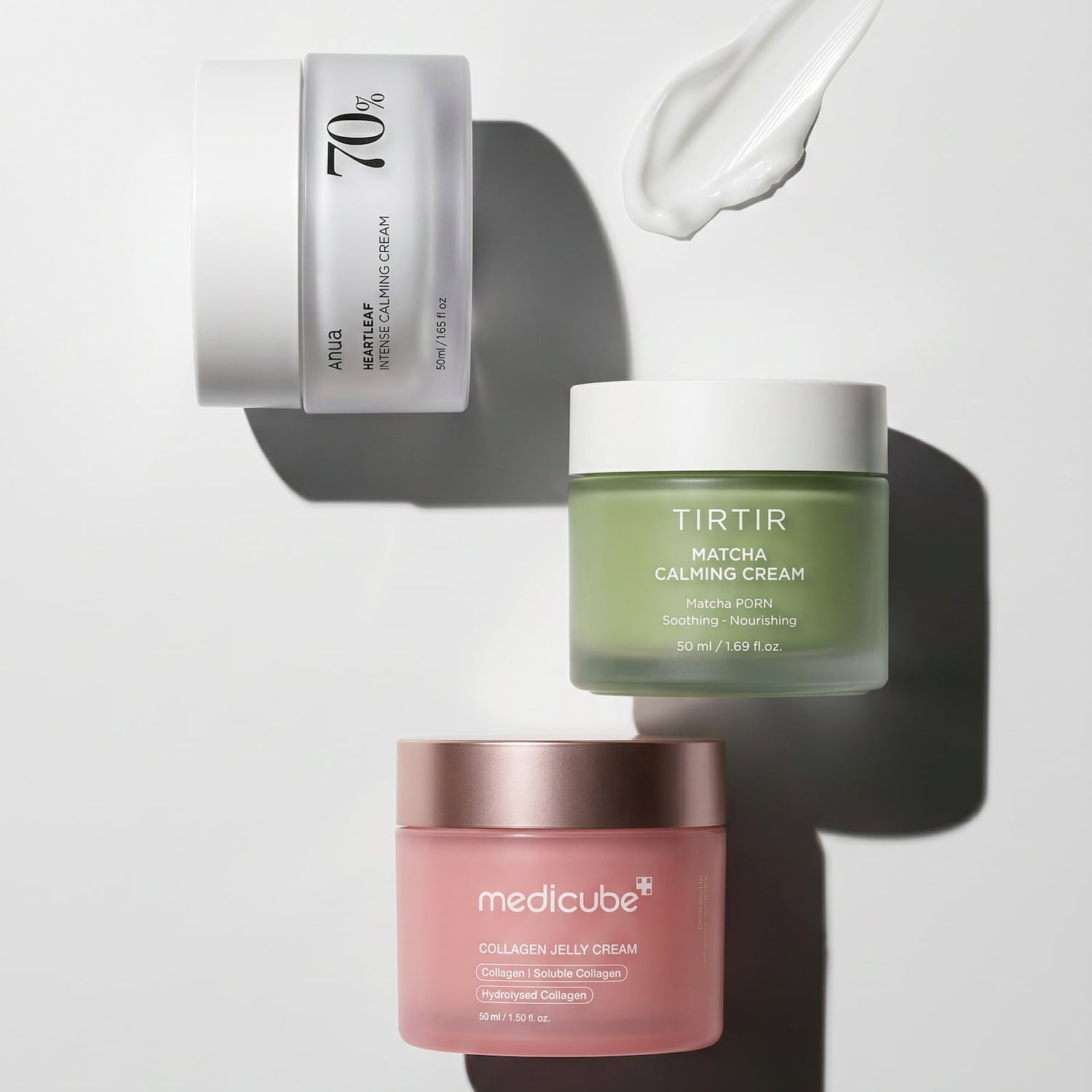
20% OFF BUNDLES


LET'S TALK SKINCARE

Give dull skin more glow
Dull skin can look lackluster, tired, and less even, even when the skin is otherwise doing well. Often, it is not about a single problem, but about factors such as dehydration, dead skin cells, uneven skin texture, or uneven skin tone. To get more radiance, it is therefore important to understand why the skin has become dull. Skin that mainly lacks moisture does not need the same skincare as skin whose radiance is being dimmed by dead skin cells. Korean skincare is well suited for this because the focus is often on hydration, gentle exfoliation, a healthy skin barrier, and several complementary steps rather than a single product that is supposed to do everything. What is dull skin? Dull skin is skin that has lost some of its natural radiance and therefore looks matte or tired. It is not a skin type of its own. Dry, oily, normal, and combination skin can all at times be experienced as dull. Skin with a lot of radiance usually has a relatively even and hydrated surface. When light hits the skin, it is reflected more evenly, which creates what we usually perceive as glow. If the skin surface is instead dry, rough, or uneven, the light is scattered more irregularly and the skin may appear duller. Dull skin can, among other things, be characterized by: The skin looks matte and tired The natural radiance has decreased The skin surface feels rough or uneven The skin tone appears less even The skin feels dry or tight Makeup does not apply as evenly as usual However, that does not mean that everyone with dull skin has the same underlying cause. Why does the skin become dull? To choose the right skincare, you first need to try to identify what is making the skin look dull. Some of the most common causes are dehydration, a buildup of dead skin cells, and an uneven skin surface. Dead skin cells can make the skin surface look duller The skin renews itself continuously, and old skin cells are shed from the surface. If dead skin cells build up, the skin surface may feel rougher and look less even. An uneven surface does not reflect light in the same way as a smooth surface, which is one reason why the skin may be perceived as dull. Gentle exfoliation can therefore provide more radiance by removing some of the outermost dead skin cells. However, that does not mean the skin should be exfoliated as often as possible. Exfoliating too strongly or too frequently can instead irritate the skin and negatively affect the skin barrier. Dehydration affects the skin’s radiance Skin that contains enough moisture often looks plumper and smoother. When the outermost layer of the skin instead lacks water, fine dehydration lines may become more visible and the surface may feel less even. It is also possible to have oily skin that is also dehydrated. Sebum and water are not the same thing. A skin can therefore produce a lot of sebum and still need more hydration. This is an important distinction because dull skin does not automatically need a richer, oilier face cream. In some cases, several light, hydrating products may be a better fit. A weakened skin barrier can make it harder to retain moisture The skin barrier constitutes the skin’s outermost protection and helps, among other things, limit water loss from the skin. If the barrier is not functioning optimally, the skin can more easily lose moisture and feel dry, tight, or sensitive. A dry and uneven skin surface can in turn make the skin appear less radiant. That is why glow is not just about exfoliating acids and radiance-boosting serums. Hydration and a well-functioning skin barrier are at least as important parts of a long-term skincare routine. The sun can contribute to an uneven skin tone UV radiation affects the skin in several ways and can over time contribute to pigmentation changes and a more uneven skin tone. This can make the skin visually appear less clear and even. Sunscreen is therefore not only relevant for protecting the skin from the sun. It is also an important step for anyone working long-term toward a more even skin tone and more radiance. The skin changes with age The skin’s characteristics naturally change over time. Among other things, the skin’s renewal, moisture level, and structure change, which can make the skin feel drier or less radiant. This does not mean that the goal of skincare needs to be to counteract normal aging. A good routine can instead focus on things like hydration, an even skin texture, and sun protection so that the skin feels soft and healthy. How to get more radiance and glow in the skin There is no single product that gives the most glow for everyone. What makes the biggest difference depends on why the skin looks dull in the first place. If the skin surface is rough, exfoliation may be relevant. If the skin is dehydrated, hydration is needed above all. In the case of an uneven skin tone, other ingredients may be more interesting. A good routine therefore combines several of the following elements based on the skin’s needs. Exfoliate away dead skin cells Exfoliation helps remove dead skin cells from the skin’s surface and can make the skin feel smoother and look clearer. AHA acids work primarily on the skin’s surface and are therefore of interest when the goal is a more even texture and more radiance. BHA, for example salicylic acid, is oil-soluble and is often used when you also want to work on sebum and clogged pores. The important thing is to adapt exfoliation to the skin. More exfoliation does not automatically give more glow. If the skin becomes red, tight, or irritated, it may instead be a sign that the routine is too intensive. Give the skin enough moisture Hydration is one of the easiest things to focus on when the skin looks dull. In Korean skincare, several thin layers of hydration are often used instead of relying on a single heavy product. A toner or essence can be followed by a serum and then a face cream that helps retain moisture. Ingredients such as hyaluronic acid and sodium hyaluronate act as humectants and help attract and bind water. Ectoin is another interesting ingredient when the focus is on both hydration and the skin barrier. However, you do not need to use many products for the sake of it. A simple routine with a few well-chosen steps can be just as effective. Help the skin retain moisture Adding moisture is only part of the equation. The skin also needs to be able to retain it. Ceramides are lipids that occur naturally in the skin barrier and are therefore often used in skincare for dry or dehydrated skin. Squalane is another ingredient that can help make the skin softer and reduce the feeling of dryness. This is especially relevant if the skin feels both dull, dry, and tight. Work on an uneven skin tone If the skin is hydrated and relatively smooth but still looks dull, the skin tone may be part of the explanation. Vitamin C is an antioxidant that is often used in skincare focused on radiance and a more even skin tone. Niacinamide is another versatile ingredient that can contribute to a more even skin tone while supporting the skin barrier. Patience is important here. A hydrating serum can make the skin feel softer relatively quickly, while a visible change in uneven skin tone usually requires consistent skincare over a longer period of time. Protect the skin with SPF Sunscreen should be the last step in the morning routine when the goal is to maintain an even skin tone. This is especially important if the routine contains exfoliating acids or other active ingredients. Working on skin tone and radiance while the skin is regularly exposed to unprotected UV radiation otherwise becomes counterproductive. Which ingredients are good for dull skin? Which ingredient is best suited depends on what the skin needs. Instead of looking for the product that claims to provide the "most glow," it is better to match the ingredients to the cause behind the dull skin. Ingredient Especially suitable when What it does Hyaluronic acid The skin is dehydrated Binds water and helps hydrate the skin Ectoin The skin needs moisture and barrier support Helps the skin retain moisture and supports the skin barrier AHA The skin surface feels dull and uneven Exfoliates dead skin cells on the skin surface BHA Dullness is combined with oily skin or clogged pores Exfoliates and is oil-soluble Niacinamide The skin tone feels uneven Can contribute to a more even skin tone and supports the skin barrier Vitamin C The focus is on radiance and skin tone Antioxidant often used for a brighter and more even skin tone Ceramides The skin feels dry or tight Are an important part of the skin’s natural barrier Squalane The skin needs more emollient care Helps soften and counteract the feeling of dryness Ginseng You want to supplement with antioxidants Antioxidant-rich ingredient that is common in Korean skincare It is rarely necessary to introduce all ingredients at the same time. If, for example, the skin is both dehydrated and uneven, it may be better to first establish a gentle and hydrating basic routine and then add exfoliation or other active ingredients. Simple skincare routine for dull skin A skincare routine for more glow does not have to consist of ten steps. The most important thing is that the routine is adapted to the reason why the skin feels dull and that it can be used consistently. Morning Gentle cleansing – cleanse the skin without it feeling tight afterward. Toner or essence – add a first layer of hydration. Serum – choose according to your needs, for example a hydrating serum or a serum with vitamin C or niacinamide. Face cream – helps the skin retain moisture. Sunscreen – finish with SPF to protect the skin from UV radiation. Not everyone needs to cleanse their face with a cleansing product in the morning. For dry or sensitive skin, water can sometimes be enough. Evening Cleansing – remove sunscreen, makeup, and dirt from the day. Double cleansing can be used if needed. Exfoliation – use AHA or BHA on the evenings when the skin needs it, not necessarily every day. Toner or essence – restore moisture after cleansing. Serum – adapt it to the skin concern you primarily want to work on. Face cream – finish with a cream that suits your skin type. The point, then, is not to use as many steps as possible. A person with dehydrated skin may benefit more from toner, serum, and cream than from additional active ingredients, while someone with a rough and dull skin surface may need to focus more on regular exfoliation. How quickly can you get more glow? How quickly the skin gets more radiance depends on what is causing the dullness and what change you want to achieve. Hydration can provide a relatively quick visual difference. When the outermost layer of the skin contains more water, the skin can feel softer and look plumper. Skin texture takes longer to change. Regular exfoliation can gradually contribute to a more even skin surface, but the result does not come from exfoliating as much as possible over a few days. Uneven skin tone usually requires more patience. Ingredients such as vitamin C and niacinamide are used consistently over time rather than as a quick treatment. Can you get more glow in two weeks? It is possible for the skin to look more hydrated and radiant after two weeks, especially if it was previously dehydrated or if the skincare routine has been too drying. However, two weeks is a short period for larger changes in, for example, skin tone and skin texture. Therefore, focus on a consistent and gentle routine instead of trying to speed up the result with more active ingredients. Common mistakes that can make the skin more dull When the skin feels dull, it is easy to think that it needs more exfoliation or more active ingredients. In some cases, the exact opposite is needed. Too much exfoliation can make the skin irritated and affect the skin barrier. Adjust how often you exfoliate according to the product and how your skin reacts. Too harsh cleansing can leave the skin dry and tight. The skin needs to become clean, but it does not need to feel "squeaky" after cleansing. Too many active ingredients at once does not necessarily make the routine more effective. Instead, it can become difficult to determine which product the skin is reacting to. Too little moisturization for oily skin is also common. Oily skin can still be dehydrated and therefore does not need to avoid moisturizing products. Skipping sunscreen can counteract the work toward an even skin tone, especially when exfoliating or other active ingredients are included in the routine. A good routine for glow is therefore less about maximizing the number of products and more about finding the balance between exfoliation, moisturization, skin barrier, and sun protection. Frequently asked questions about dull skin What is the difference between dull and dry skin? Dry skin is a skin type that generally produces less sebum, while dull skin describes how the skin looks. Dry skin can be dull, but oily and combination skin can also lack radiance. Dehydration, dead skin cells, and uneven skin texture are some other factors that can make the skin look lackluster. Can oily skin be dull? Yes. Oily skin can also be dehydrated or have an uneven skin surface. High sebum production therefore does not automatically mean that the skin is well moisturized or has a lot of radiance. How do you get your glow back? Start by identifying why the skin feels dull. Dehydrated skin needs more moisturization, while a rough and lackluster skin surface can benefit from gentle exfoliation. A balanced routine with moisturization, suitable active ingredients, and daily sun protection is a good foundation for more radiance. What is the difference between glow and shiny skin? Glow usually describes even, radiant skin where light is reflected from the skin’s surface. Shiny skin is more often caused by sebum or sweat and is often most visible on, for example, the forehead, nose, and chin. It is therefore possible to have both oily skin and a natural glow. Can you achieve glass skin with skincare? Glass skin describes skin that looks very moisturized, even, and radiant. Skincare can contribute to these qualities through moisturization, a more even skin texture, and a healthy skin barrier. At the same time, how the skin looks is affected by, among other things, skin type, genetics, and the skin’s natural structure, so the result looks different from person to person.

Skincare for autumn
Do you adapt your skincare routine when your skin becomes drier? When summer turns into autumn, many people notice that their skin feels drier, tighter, or starts to itch. This is because both the temperature and humidity drop, while indoor air becomes drier when the heating is turned on. For the skin, this means that more moisture evaporates, which can weaken the skin barrier and make the skin more sensitive. By adapting your skincare routine for autumn, you can help your skin retain its moisture, strengthen the skin barrier, and reduce the risk of dryness, irritation, and itching. Below, we go through what happens to the skin during autumn, which ingredients are best suited, and how to build a skincare routine that works when the weather gets colder. Why does the skin become drier in autumn? It is completely natural for the skin to change during autumn. When the temperature drops and the air contains less moisture, it becomes harder for the skin to maintain its natural moisture balance. At the same time, many people start spending more time indoors, where heating makes the air even drier. Several factors contribute to the skin becoming drier during autumn: Colder temperatures. Lower humidity. Dry indoor air from radiators. Hot showers that can dissolve the skin’s natural protective barrier. When the skin loses more moisture than it can retain, the skin barrier deteriorates. Then the skin may feel: Tight Dry Flaky Red More sensitive than usual More prone to itching Why does the skin itch when it gets colder? Itching during autumn is often due to the skin becoming dry and the skin barrier weakening. When the skin can no longer retain as much moisture, it becomes more susceptible to external stressors and the nerve endings in the skin react more easily. That is why many people experience itching on their legs, arms, or face when autumn arrives, even though they have not made any changes to their skincare. If your skin itches, it is often better to focus on moisturizing and strengthening the skin barrier than simply choosing a richer face cream. What is the difference between dry skin and dehydrated skin in autumn? Many people use dry skin and dehydrated skin as if they mean the same thing, but there is an important difference. Dry skin is a skin type that produces less sebum than normal. It often needs more nourishment and emollient ingredients all year round. Dehydrated skin is instead a condition in which the skin lacks water. It can affect all skin types, including oily and combination skin. During autumn, it is common for the skin to become dehydrated because it loses more moisture to the drier air. This means that even people with oily skin may need more hydration during autumn than they did during summer. How to adapt your skincare routine for autumn When the skin starts to feel drier, it is rarely about replacing your entire skincare routine. Often, a few small changes are enough to give the skin better conditions during the colder months. A good autumn routine focuses above all on strengthening the skin barrier, adding more moisture, and reducing anything that may irritate the skin. Start by strengthening the skin barrier The skin barrier is the skin’s outermost protection and helps retain moisture while protecting against external stressors. When it functions as it should, the skin feels soft, supple, and balanced. During autumn, the skin barrier is exposed to greater stress than during summer. Therefore, it can be a good idea to choose products with ingredients that help the skin repair and strengthen its natural protection, for example ceramides, squalane, panthenol, and Centella Asiatica. Cleansing A face wash that worked well during summer may feel drying when the weather gets colder. Choose a gentle cleanser that effectively removes dirt, makeup, and SPF without leaving the skin feeling tight afterward. If the skin feels dry immediately after cleansing, it may be a sign that the product is too strong for the season. Hydration During autumn, the skin often needs more hydration than before. Instead of only choosing a richer face cream, it can be a good idea to work in several layers. Start with a hydrating serum or an essence that helps the skin bind water. Then finish with a face cream that helps lock in moisture and reduce moisture loss during the day. This combination often gives better results than using only a richer cream. Exfoliation Exfoliation helps remove dead skin cells and can give the skin more radiance, but during autumn it is important not to overdo it. If the skin already feels dry or sensitive, too much exfoliation can cause the skin barrier to weaken even further. For most people, once or twice a week is enough, depending on skin type and the type of exfoliation used. SPF Many people stop using sunscreen when summer is over, but UV radiation remains present through much of autumn as well. If you spend time outdoors during the day, it is therefore still wise to use SPF as the last step in your skincare routine. This is especially important if you use active ingredients such as retinol or acids. The best ingredients in skincare for autumn Ceramides Ceramides are natural lipids that already exist in the skin’s protective barrier. When the skin becomes drier during autumn, the amount of ceramides may decrease, causing the skin to lose moisture more easily. Skincare products with ceramides help strengthen the skin barrier and reduce moisture loss, making the skin feel softer and less tight over time. Hyaluronic acid Hyaluronic acid is an effective moisture-binding ingredient that helps the skin attract and retain water. During autumn, when the air becomes drier, hyaluronic acid can help the skin feel more hydrated and supple. It suits most skin types and works well together with a hydrating face cream. Glycerin Glycerin is one of the most well-established humectants in skincare. During autumn, it helps the skin attract moisture and counteract the tight feeling that many people experience when humidity drops. Glycerin suits almost all skin types and is a common ingredient in both serums and face creams. Panthenol Panthenol, also known as provitamin B5, helps the skin recover and can help reduce the feeling of irritation and dryness. If the skin has become more sensitive during autumn, panthenol is an ingredient that both moisturizes and strengthens the skin’s natural protection. Centella Asiatica Centella Asiatica is appreciated for its soothing properties. During autumn, it can help the skin feel less irritated while supporting the skin’s natural recovery. The ingredient is particularly suitable for sensitive skin or if the skin easily becomes red when the temperature drops. Beta-glucan Betaglukan is a moisturizing ingredient that helps the skin retain its moisture while also having a soothing effect. For many people, the skin feels both softer and more hydrated when beta-glucan is used regularly during the colder months. Squalane Squalane is an emollient ingredient that helps the skin reduce moisture loss without feeling heavy or sticky. It suits dry, sensitive, and oily skin alike and is a good choice when the skin needs a little extra support during autumn. Is autumn a good time to start using retinol? Yes, many people choose to start using retinol or retinal during autumn because the UV index is often lower than during summer. Retinoids can make the skin more sensitive, which is why many people find them easier to introduce when the sun is not as strong. It is a good idea to start with a low strength a couple of evenings a week and gradually increase use if your skin feels good. Remember to always use sunscreen when the skin is exposed to the sun, even during autumn. Skincare for autumn for different skin types Dry skin If you have dry skin, autumn can make your skin feel even tighter. Focus on hydrating serums together with a richer face cream and ingredients such as ceramides, squalane, and panthenol. Oily skin Even oily skin can become dehydrated when humidity drops. Choose lightweight, hydrating products with, for example, glycerin or hyaluronic acid instead of skipping hydration. Sensitive skin If your skin easily becomes red or irritated during autumn, it may be a good idea to prioritize soothing ingredients such as Centella Asiatica and panthenol. At the same time, avoid exfoliating too often. Combination skin If you have combination skin, different parts of the face may need different amounts of hydration. For example, the cheeks may need a richer face cream while the T-zone often manages with lighter products. Common mistakes during autumn Continuing to use the same lightweight products as during summer. Stopping use of SPF completely. Exfoliating too often when the skin already feels dry. Taking long, very hot showers. Waiting to moisturize until the skin already feels dry. Frequently asked questions Do I need to change my skincare routine in autumn? Yes, many people need to make minor adjustments when the weather gets colder. The skin often loses more moisture during autumn, which means it may benefit from more hydration and products that strengthen the skin barrier. Why does the skin become drier in autumn? When the temperature and humidity drop, the skin loses more moisture. At the same time, dry indoor air and hot showers can contribute to weakening the skin barrier. Why does the skin itch when it gets colder? Itching is often due to the skin becoming dry and the skin barrier weakening. When the skin is moisturized and the skin barrier is strengthened, the discomfort usually decreases. Which ingredients are best during autumn? Ceramides, hyaluronic acid, glycerin, panthenol, Centella Asiatica, beta-glucan, and squalane are ingredients that help moisturize the skin, strengthen the skin barrier, and reduce dryness. Should you use SPF in autumn? Yes. If the skin is exposed to the sun, SPF is still an important part of the skincare routine, even during autumn. This is especially true if you use retinol or exfoliating acids. Can I start using retinol in autumn? Yes. Many people choose to introduce retinol or retinal during autumn because the UV index is generally lower than during summer. Start slowly and always use sunscreen during sun exposure.

How often should you exfoliate your face?
For most people, it is enough to exfoliate the face 1–2 times a week. How often you should exfoliate depends, among other things, on your skin type, what type of exfoliation you use, and how your skin reacts. Dry and sensitive skin often needs to be exfoliated less frequently, while oily skin can usually be exfoliated somewhat more often. The most important thing is not to exfoliate as often as possible, but to find a routine that gives the skin radiance and an even skin texture without weakening the skin barrier. There is no one-size-fits-all answer How often you should exfoliate your face is influenced by several factors. A gentle exfoliant can often be used more frequently than a more intensive product, while the skin’s needs can also change depending on the season, age, and skin condition. If your skin feels balanced, hydrated, and shows no signs of irritation, you have probably found a frequency that works for you. If, on the other hand, your skin starts to feel tight, red, or sensitive, it may be a sign that you are exfoliating too often. How often should different skin types exfoliate? Skin type Recommended frequency Dry skin About once a week Sensitive skin Every 7–10 days Combination skin 1–2 times a week Oily skin 2–3 times a week depending on the product The table above is a general recommendation. How often you can exfoliate also depends on what type of exfoliation you use and how your skin reacts. Dry skin Dry skin often has a weaker skin barrier and can therefore become irritated if it is exfoliated too often. For most people, about once a week is enough. After exfoliating, it is good to use moisturizing products that help the skin retain its moisture. Oily skin Oily skin can usually be exfoliated somewhat more often because it often produces more sebum and develops clogged pores more easily. For many, twice a week works well, while some can use a gentle exfoliant up to three times a week if the skin feels balanced. Combination skin If you have combination skin, once to twice a week works for most people. If certain areas feel drier than others, you can also adapt exfoliation to different parts of the face. Sensitive skin Sensitive skin often needs a longer recovery time between exfoliations. It is a good idea to start with once every seventh to tenth day and only increase if the skin feels good and shows no signs of irritation. Do you need to exfoliate less in autumn and winter? Yes, for many people it is a good idea to reduce exfoliation somewhat when the weather gets colder. During autumn and winter, humidity drops while dry indoor air causes the skin to lose more moisture. If you continue exfoliating as often as you do in summer, your skin may become drier and more sensitive. If your skin starts to feel tight, itchy, or easily irritated, it may be wise to reduce exfoliation temporarily and instead focus more on moisturizing and strengthening the skin barrier. Signs that you are exfoliating too often Exfoliating too often can do more harm than good. If the skin barrier is weakened, the skin can become more sensitive and recover more slowly. Common signs include: Your skin feels tight. Your skin stings when you apply skincare. Redness increases. Your skin feels dry even though you moisturize. Your skin starts to flake or become irritated. If you recognize several of these signs, it may be a good idea to take a break for a few days and let your skin recover before you start exfoliating again. Should you exfoliate in the morning or evening? For most people, it is best to exfoliate in the evening. During the night, the skin has a chance to recover, and you can finish your routine with moisturizing products that help the skin strengthen the skin barrier. If you exfoliate in the morning, it is especially important to use sunscreen as the final step in your skincare routine. Can you use retinol and exfoliation on the same evening? That depends on both the products and how accustomed your skin is to active ingredients. Many people choose to use retinol and exfoliation on different evenings to reduce the risk of irritation, especially if the skin is dry or sensitive. If you are an experienced user and your skin tolerates the combination, it may work, but for most people it is gentler to alternate the products. What should you use after exfoliating? After exfoliating, the skin is often more receptive to moisturizing and soothing ingredients. A hydrating serum followed by a face cream helps the skin retain moisture and strengthens the skin barrier. Ingredients such as hyaluronic acid, ceramides, panthenol and Centella Asiatica are especially good choices after exfoliation because they help the skin recover. Frequently asked questions How often should you exfoliate your face? For most people, 1–2 times a week is enough. The optimal frequency depends on your skin type, what type of exfoliation you use, and how your skin reacts. Can you exfoliate your face every day? Daily exfoliation is not recommended for most people. Exfoliating too often can weaken the skin barrier and make the skin dry, sensitive, and irritated. How do you know if you have exfoliated too much? If your skin feels tight, stings, becomes red, or starts to flake, these may be signs that you are exfoliating too often. Then reduce the frequency and focus on moisturizing until your skin feels balanced again. Should you exfoliate in the morning or evening? Evening is usually the best choice because the skin has a chance to recover overnight. It is a good idea to finish with moisturizing products that help the skin strengthen its protective barrier. Should you use moisturizer after exfoliating? Yes. A moisturizing face cream helps the skin retain moisture after exfoliation and reduces the risk of the skin feeling dry or tight. Do you need to exfoliate less in autumn? Yes, many people need to reduce exfoliation when the weather gets colder. Dry air and lower humidity often make the skin more sensitive and cause it to lose more moisture than in summer. Can you use retinol and exfoliation at the same time? It works for some people, but many do better using retinol and exfoliation on different evenings to reduce the risk of irritation. Does oily skin need to be exfoliated more often? Often yes. Oily skin can usually be exfoliated somewhat more often than dry skin, but here too it is important to adapt the routine based on how the skin reacts. Can dry skin be exfoliated? Yes. Dry skin also benefits from exfoliation, but usually about once a week is enough, and it is important to moisturize the skin properly afterwards.


